Category: Building Regulations

Principal designer CDM regulations consultation with construction professionals reviewing building plans on a residential development site.

Principal Designer CDM Regulations: Complete Guide for UK Projects

Understand the Principal Designer CDM Regulations and what they mean for UK homeowners. This guide explains when a Principal Designer is required under CDM 2015, their main responsibilities, who can take the role, and how CDM duties differ from the separate Building Regulations Principal Designer role in England.

Read More »
Building regulations principal designer reviewing architectural plans with a homeowner during a residential property renovation.

Building Regulations Principal Designer: When Is One Required?

Understand when a Building Regulations Principal Designer is required, what the role involves, who can act as Principal Designer, and how the duties differ from CDM responsibilities. This homeowner-friendly guide explains appointments, competence, legal duties and practical steps for managing Building Regulations compliance on extensions, conversions and other residential projects in England.

Read More »
Building regulations certificate of completion displayed with architectural plans in a modern home renovation and extension.

Building Regulations Certificate of Completion: Everything You Need to Know

A Building Regulations certificate of completion confirms that Building Control is satisfied relevant work complies with the applicable Building Regulations requirements. This homeowner guide explains when you need one, how to get it, how long it can take, what happens if yours is missing, and how completion certificates differ from other property documents.

Read More »
Building Regulations Retrospective surveyor discussing retrospective building compliance plans with a homeowner during a property inspection.

Building Regulations Retrospective Applications: What You Need to Know

Discover how Building Regulations retrospective applications work, when regularisation may be needed, what Building Control can inspect, and how much the process may cost. This homeowner guide also explains certificates, time limits, remedial work, planning permission differences, and the separate procedures used across England, Wales, Scotland and Northern Ireland.

Read More »
Homeowner and building professional reviewing extension plans during a Building Regulations Retrospective inspection for a modern rear home extension.

Building Regulations Retrospective: How to Legalise Unapproved Work

Building Regulations Retrospective approval helps homeowners legalise eligible work completed without the correct Building Control application or inspections. This guide explains regularisation applications, required evidence, inspection stages, possible remedial work, costs, time limits and the difference between retrospective Building Regulations approval and retrospective planning permission.

Read More »
Apartment in Dubai Burj Khalifa with panoramic skyline views from a luxury living room overlooking the Burj Khalifa at sunset.

Building Regulations Part A Explained: Structural Safety for UK Homeowners

Building Regulations Part A covers structural safety for UK home projects, including loading, foundations, ground movement and disproportionate collapse. This homeowner guide explains when Part A applies, why structural calculations may be needed, and how Building Control checks extensions, loft conversions, wall removals and other structural alterations.

Read More »
Building regulations 10 year rule explained with property documents, building plans, a house model, compliance paperwork, and a 10-year timeline calendar.

Building Regulations 10 Year Rule: What Homeowners Need to Know

Confused about the Building regulations 10 year rule? This guide explains what “10 years” really means in England, how it differs from the planning 10-year rule, and what happens if your extension or loft has no Building Control sign-off. Learn the practical steps to gather evidence, avoid conveyancing delays, and fix missing certificates safely.

Read More »
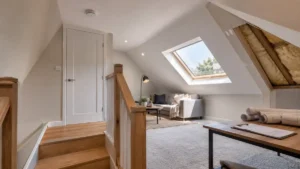
Modern loft conversion interior with skylight window, staircase, and seating area designed to meet building regulations on loft conversions for safe and compliant attic renovations.

Building Regulations on Loft Conversions: What Homeowners Need to Know

Building regulations on loft conversions apply to almost every loft conversion, even where planning permission isn’t needed. This guide explains what Building Control looks for, including stairs, head height, fire safety, insulation and ventilation, plus the usual approval routes and costs. Use it to avoid delays, redesigns, and problems when you sell.

Read More »
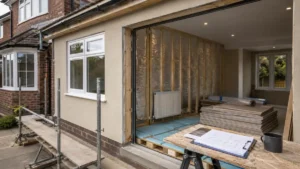
Building Regulations for Garage Conversion project showing residential home extension under construction with insulation, structural framework, renovation plans, and compliance work for garage conversion approval.

Building Regulations for Garage Conversion: What Homeowners Need to Know

Building Regulations for Garage Conversion usually apply whenever you turn a garage into a habitable room — even if planning permission isn’t needed. This guide explains what Building Control typically check (insulation, fire safety, ventilation, structure, electrics and drainage), which submission route to use, and how to secure a completion certificate to protect your future sale.

Read More »
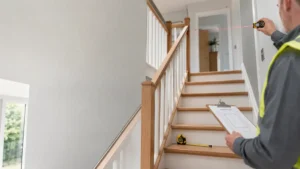
Inspector measuring residential staircase dimensions with laser tool and clipboard to ensure compliance with Building Regulations on Stairs in a modern home interior.

Building Regulations on Stairs – UK Design Rules Explained 

Building Regulations on Stairs in the UK are mainly set out in Approved Document K (Part K) and cover safe step sizes, pitch, headroom, landings, handrails and guarding. This guide explains the key stair design rules in plain English, highlights common inspection pitfalls (especially for loft conversions), and includes a practical checklist to help you plan confidently.

Read More »
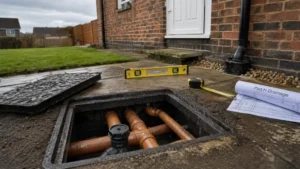
drainage inspection chamber with exposed underground pipes beside residential property and building regulation plans

Building Regulations Part H – Drainage and Waste Explained 

Building Regulations Part H explains the rules behind drainage and waste disposal in homes. This guide covers foul water and rainwater, common triggers like new WCs and extensions, and what Building Control typically checks (access, maintenance points, sensible layouts and falls). Learn the typical pitfalls, when sewer permissions apply, and how to prepare clear drainage notes and plans.

Read More »
SiteLock