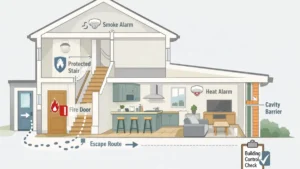
Infographic illustration of a UK home ventilation system compliant with Building Regulations Part F, showing kitchen and bathroom extractor fans, trickle vents on windows, airflow arrows, and icons for mould prevention and building control approval.

Building Regulations Part F Explained: Ventilation Rules for Homes (UK Guide)

Building Regulations Part F sets the UK ventilation rules that help prevent condensation, mould and poor indoor air quality. This guide explains when Part F applies to home projects, the main ventilation “systems”, key extract fan rates, trickle vent requirements, and common Building Control pitfalls — so you can plan ventilation properly and avoid costly last-minute changes.
Read More »

Planning Permission Dorset: The Complete Homeowner Guide 

Planning permission Dorset can feel confusing because your application may fall under Dorset Council or BCP Council (Bournemouth, Christchurch and Poole). This homeowner guide explains when you need permission, what drawings you must submit, typical fees and timescales, and the most common reasons applications get delayed—so you can apply correctly and avoid stress.

Read More »
Drawing plan for house" concept image showing architectural floor plans, location and site plans with red boundaries, house elevation drawings, and approval checklist on a modern, tidy desk – ideal for UK planning permission guides.

Drawing Plan For House for Planning Permission: What to Include 

Drawing Plan For House for planning permission? This guide explains exactly what your council typically expects in England — from location and site plans to existing and proposed floor plans, elevations, and (when needed) sections. Learn the right scales, what to label, common mistakes that cause delays, and when getting professional help can save time.

Read More »

When Is Planning Permission Needed? UK Homeowner Rules Explained 

Unsure when planning permission is needed for your home project? This homeowner guide explains the key triggers, permitted development basics, and common projects like conservatories, lofts, garden rooms and solar panels. We also cover restrictions (listed, conservation areas, Article 4), building regulations, and what to do if you’re unsure before you start building.

Read More »
Illustration of an accessible UK home entrance and ground-floor layout showing compliance with Building Regulations Part M, including a level threshold, ramp, wide doorways, clear hallway space, and an accessible WC with grab rails—designed in a clean, modern, architectural diagram style.

Building Regulations Part M Explained (UK): Access Requirements Made Simple 

Building Regulations Part M sets out UK requirements for access to and use of buildings. This homeowner-friendly guide explains Volume 1 vs Volume 2, when Part M applies to extensions and conversions, and the most common layout issues (entrances, doorways, circulation and WCs). Use our checklist to reduce Building Control delays and avoid costly redesigns.

Read More »
Drawing extension plans neatly arranged on a desk, featuring UK planning documents like site plans, floor plans, and elevations beside a rear extension sketch — a visual guide for homeowner planning permission.

Drawing Extension Plans: What to Include for Planning Permission 

Drawing extension plans for planning permission? This guide explains what to include in your submission pack: location and site plans, existing and proposed floor plans, elevations, roof plans and sections. Learn the difference between planning and Building Regulations drawings, common mistakes that cause delays, and when DIY drawings are worth the risk.

Read More »
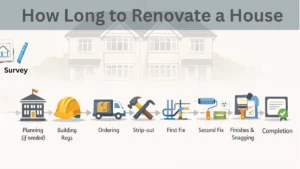
Infographic showing the renovation timeline for a UK home, illustrating the key stages from surveys to completion with icons and a semi-detached house background, created for the guide “How Long to Renovate a House.

How Long to Renovate a House: Full Renovation Timeline From Start to Finish 

Wondering how long to renovate a house in the UK? This homeowner guide breaks down realistic timelines for room refurbs, flat renovations and full “back to brick” projects. Learn the key stages, what planning permission and Building Regulations can add, and the most common causes of delays — plus practical ways to keep your renovation on schedule.

Read More »
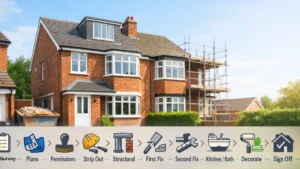
Photorealistic image of a British semi-detached house under renovation, featuring a clear step-by-step renovation process with icons and labels for stages like survey, planning, permissions, structural work, and decoration — ideal visual guide for understanding how to renovate a house.

How to Renovate a House: Step-by-Step Beginner’s Guide (UK) 

Planning how to renovate a house in the UK? This step-by-step beginner’s guide covers what to do first, the right renovation order, budgeting and phasing, plus when planning permission, permitted development and Building Regulations may apply. Learn how to avoid costly rework, reduce stress, and keep your project compliant from start to finish.

Read More »
visualising the concept of planning permission in Wiltshire for a homeowner guide.-an Illustration showing a digital planning map of Wiltshire on a laptop screen with planning markers, rolled architectural drawings, and countryside scenery

Planning Permission Wiltshire: Complete Homeowner Guide 

Planning Permission Wiltshire can feel confusing, especially if you’re not sure whether your project is permitted development or needs a full application. This guide explains how to check Wiltshire planning applications, use the planning map, prepare the right drawings, submit to Wiltshire Council, and avoid common delays — with practical tips for homeowners.

Read More »
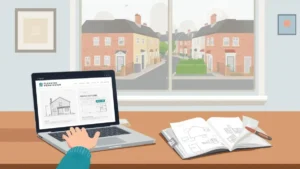
Illustration of a person researching 'Planning Permission Tunbridge Wells' on a laptop, with architectural drawings on a desk and a suburban street view of traditional British homes through the window.

Planning Permission Tunbridge Wells: Common Reasons Applications Get Refused 

Planning Permission Tunbridge Wells applications are often refused for predictable reasons — neighbour impact, design and scale issues, parking concerns, or incomplete drawings. This guide explains the most common refusal triggers, what planning officers look for, and practical steps to strengthen your submission. Ideal if you’re applying soon or resubmitting after a refusal.

Read More »
SiteLock